


What are Rest APIs and Their Use Cases


Why APIs Are Central to Modern Applications
A REST API is a way for systems to communicate over HTTP using resources and standard methods like GET, POST, PUT, and DELETE. It allows applications to exchange data in a simple and predictable way.
They're used in major modern applications, from web and mobile apps to cloud services and microservices architectures.
REST APIs are mainly know for their simplicity and compatibility with web standards make them easy to implement and scale.
What is a REST API
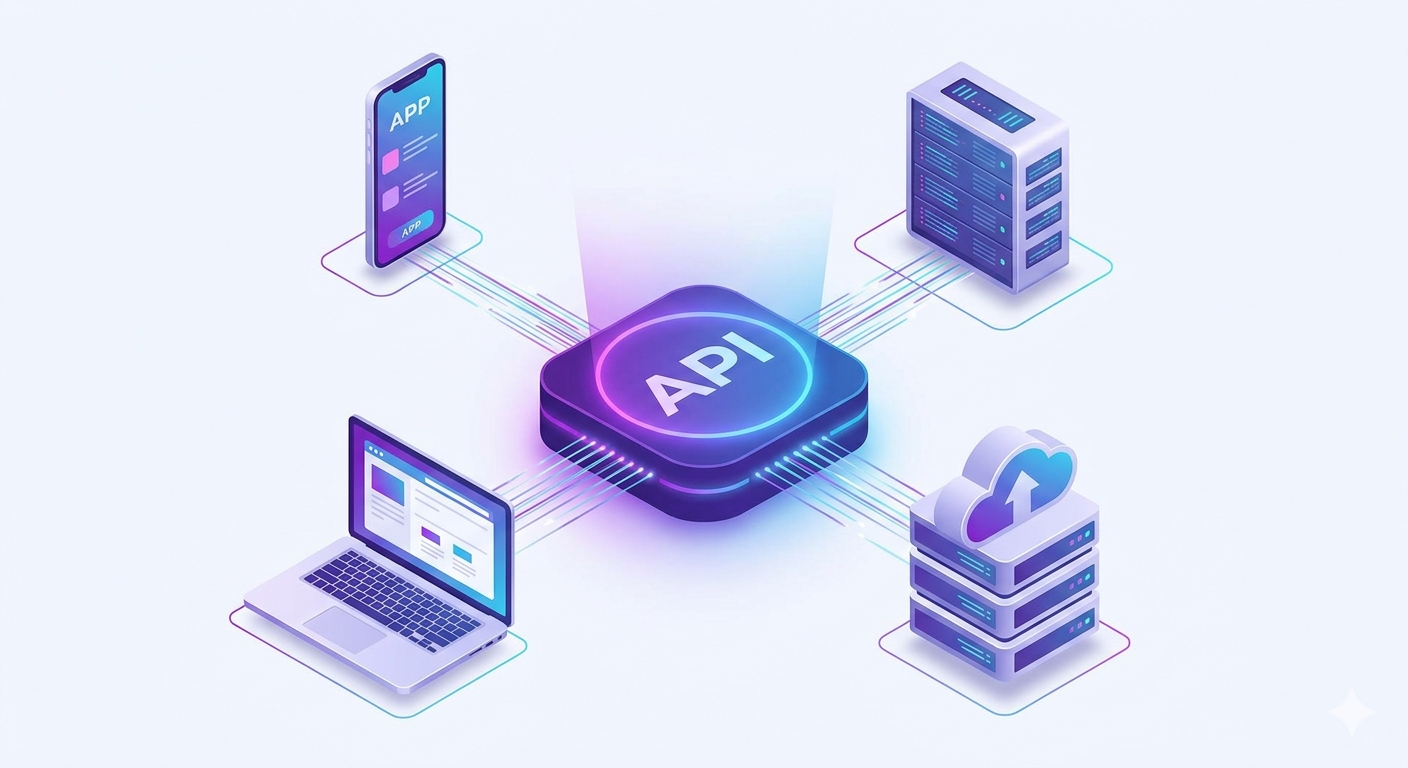
REST stands for Representational State Transfer. It is an architectural style used for designing networked applications.
A REST API allows systems to communicate over the web using standard protocols such as HTTP. Instead of relying on complex messaging protocols, REST focuses on resources and how they are accessed or modified.
Core Principles of REST Architecture and Design
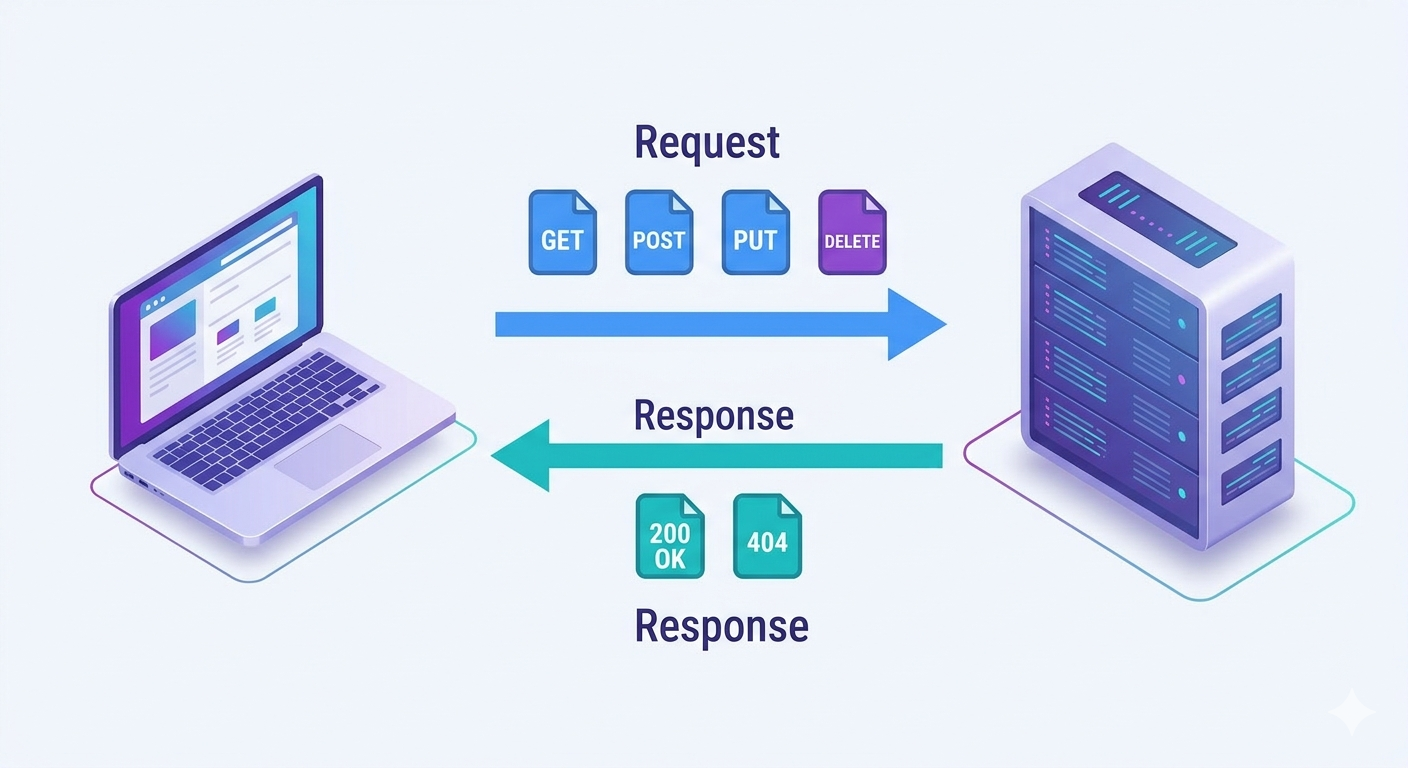
REST architecture is built on a set of fundamental principles that define how systems should communicate over a network. These principles ensure that APIs remain scalable, maintainable, and easy to understand.
By following these core guidelines, developers can design APIs that are consistent, efficient, and capable of handling real-world application requirements.
Client–Server Separation
REST architecture separates the client and server into independent components.
The client is responsible for handling the user interface and user interactions. The server manages data storage, business logic, and processing.
This separation allows both sides to evolve independently. For example, a mobile app and a web app can use the same backend API without affecting each other.
Stateless Communication
REST APIs are stateless, meaning each request from the client contains all the information needed for the server to process it.
The server does not store session information between requests. Every request is treated as a new interaction.
This approach simplifies server design and makes it easier to distribute requests across multiple servers.
Resource-Based Design
In REST architecture, everything is treated as a resource. A resource represents any entity in the system, and each resource is identified using a unique URL. This approach makes APIs intuitive because it mirrors real-world data structures.
Some common examples of resource-based URLs include:
The endpoint /users represents a collection of users in the system. It is typically used to retrieve a list of users or create a new user when combined with the appropriate HTTP method.
The endpoint /users/101 represents a specific user identified by a unique ID. It allows operations such as retrieving, updating, or deleting that particular user.
The endpoint /products represents a collection of products available in the system. It is commonly used in applications like e-commerce platforms to display product listings.
The endpoint /orders/5001 represents a specific order. It can be used to check order details, update its status, or perform related operations.
This resource-based structure keeps APIs consistent and predictable, making them easier for developers to understand and navigate.
Uniform Interface
REST APIs follow a uniform interface, meaning they use consistent rules for interacting with resources. This is primarily achieved through standard HTTP methods, which define the type of operation being performed.
The most commonly used methods include:
- The GET method is used to retrieve data from the server without modifying it. It is commonly used to fetch information such as user details or product listings.
- The POST method is used to create new data by sending information to the server. It is typically used when creating resources such as a new user account or adding a product.
- The PUT method is used to update existing data by replacing the current resource with new information. It is commonly used when modifying user details or updating order information.
- The DELETE method is used to remove data from the server. It is typically used when deleting resources such as files, user accounts, or canceling orders.
By following these consistent rules, REST APIs become easier to learn and use. Developers can quickly understand how an API works without needing detailed documentation for every endpoint.
Cacheable Responses
REST APIs can return responses that are cacheable.
Caching allows clients or intermediaries to store responses temporarily and reuse them for future requests. This reduces server load and improves response time for repeated requests.
How REST APIs Work: Understanding the Request–Response Cycle
To understand REST APIs in practice, it is important to look at how communication happens between a client and a server. REST APIs follow a structured request–response model that defines how data is exchanged.
This process involves multiple steps, starting from sending a request to receiving a response, each playing a crucial role in ensuring smooth communication.
Step 1: Client Sends Request
A client, such as a browser or mobile application, sends an HTTP request to a specific API endpoint.
Example:
GET /users/101This request tells the server what resource is needed and what action should be performed. Depending on the operation, the request may include the following:
Headers provide additional information about the request, such as authentication details or content type. They help the server understand how to process the request correctly and determine how the response should be handled.
Query parameters are used to filter or refine the request. They allow clients to request specific data, such as fetching items from a particular category or limiting the number of results returned.
The request body contains the data sent to the server, typically used in POST or PUT requests when creating or updating resources. It carries the actual information that the server needs to process and store.
Step 2: Server Processes the Request
Once the request is received, the server interprets it and performs the necessary operations. This may involve multiple steps, such as:
Retrieving data from a database involves the server fetching the requested information, such as user details or product listings, from a database. This step ensures that the correct data is available to fulfill the client’s request.
Performing business logic involves applying rules or calculations on the data, such as validating orders, applying discounts, or processing workflows. This step ensures that the system behaves according to defined requirements.
Validating input data involves checking the incoming data to ensure it is correct, complete, and secure before being processed further. This helps prevent errors and protects the system from invalid or malicious inputs.
Modifying existing records involves updating the relevant data in the database when a request requires changes. This ensures that the system maintains accurate and up-to-date information.
Step 3: Server Sends Response
After processing the request, the server sends a response back to the client. This response typically includes:
The status code indicates the result of the request, such as 200 for success, 404 for not found, or 500 for a server error. It helps the client understand whether the request was successful or if an issue occurred.
The response data contains the requested or updated information returned by the server, usually formatted in JSON. This data is used by the client to display or process the result of the request.
An example response is shown below, demonstrating how the server returns structured data to the client.
This structured exchange of requests and responses enables systems to communicate efficiently and reliably.
{
 "id": 101,
 "name": "rahul",
 "email": "rahulyadav@example.com"
}
Common HTTP Methods in REST APIs and Their Use Cases
REST APIs use standard HTTP methods to perform different operations on resources. These methods define the type of action that should be taken when a request is made to the server.
Each method serves a specific purpose, making API interactions predictable and easier for developers to understand and implement.
GET
The GET method is used to fetch data from the server without modifying it. It is one of the most frequently used methods in REST APIs.
For example, when a user opens a product listing page in an application, the frontend sends a GET request to retrieve product data.
Example:
GET /productsPOST
The POST method is used to create a new resource on the server. It sends data in the request body, which the server uses to create a new entry.
A common scenario is user registration, where a new user account is created.
Example:
POST /usersPUT
The PUT method is used to update an existing resource. It replaces the current data of the resource with the new data provided in the request.
For instance, when a user updates their profile or an order status changes, a PUT request is sent.
Example:
PUT /orders/5001DELETE
The DELETE method is used to remove a resource from the server.
This is commonly used when a user deletes a file, removes an item from a system, or cancels an order.
Example:
DELETE /files/23These methods map closely to common operations performed in applications, making REST APIs intuitive for developers.
Structure of a REST API Request and Its Key Components
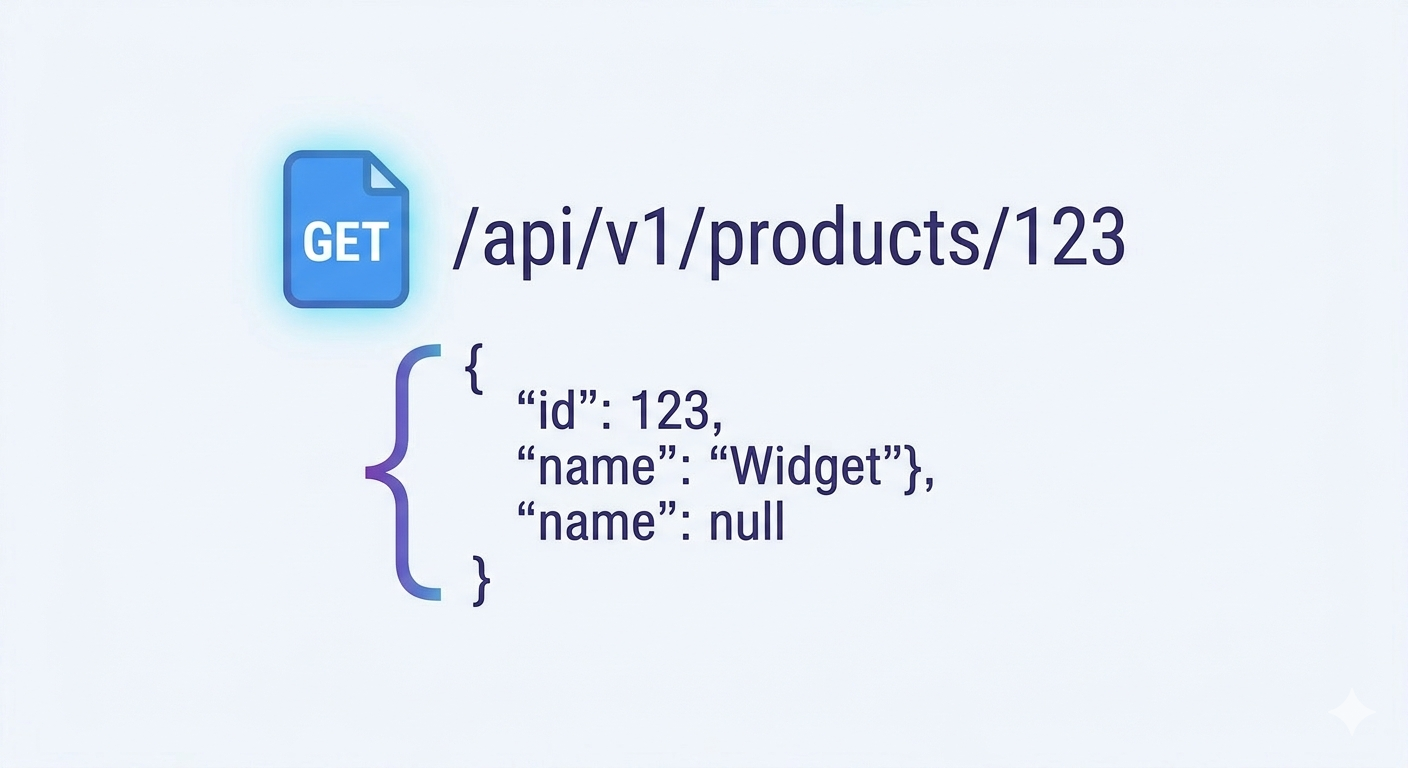
A REST API request is composed of multiple components that together define how the server should process the request. Each part of the request provides specific information about the resource and the action to be performed.
Understanding these components is essential for designing APIs that are clear, consistent, and easy to use.
Endpoint URL
The endpoint URL specifies the exact resource that the client wants to access. It acts as the address of the API and follows a structured and meaningful pattern.
For example:
/api/products/10This URL represents a specific product with ID 10. A well-designed endpoint structure improves readability and makes APIs easier to understand and maintain.
HTTP Method
The HTTP method defines the type of operation to be performed on the resource. It tells the server whether the client wants to retrieve, create, update, or delete data.
Common methods include: The GET method is used to fetch data from the server without making any changes to it. It is commonly used when displaying information such as user profiles, product lists, or order details. The POST method is used to send data to the server to create a new resource. For example, it is used when registering a new user or adding a new product to a system.
The PUT method is used to update or replace an existing resource with new data. It is commonly used when modifying user details, updating order status, or editing stored information. The DELETE method is used to remove a resource from the server. This is typically used when deleting user accounts, removing files, or canceling orders.
Using the correct HTTP method ensures that the API behaves consistently and follows REST conventions.
Request Headers
Request headers provide additional metadata about the request. They help the server understand how to process the incoming data and how to respond.
Common headers include:
Content-Type specifies the format of the request body, such as application/json, so the server knows how to correctly parse and process the incoming data.
Authorization contains credentials such as tokens or API keys, ensuring that only authorized users can access the API. It plays a critical role in securing API endpoints and protecting sensitive data.
Headers play a crucial role in security, data handling, and communication between client and server.
Query Parameters
Query parameters are used to refine or filter the data being requested without changing the endpoint itself.
For example:
This data is processed by the server to create a new resource or update an existing one. The structure and format of the request body must match what the API expects.
/products?category=electronicsIn this case, the client is requesting only products that belong to the electronics category. Query parameters make APIs more flexible and allow clients to customize responses.
Request Body
The request body is used when the client needs to send data to the server, typically in POST or PUT requests.
For example:
{
 "name": "Laptop",
 "price": 50000
}
Common Data Formats in REST APIs: JSON vs XML
REST APIs exchange data between systems using structured formats. These formats ensure that data is organized, readable, and can be easily processed by different applications.
JSON (JavaScript Object Notation)
JSON is the most widely used data format in modern REST APIs. It is lightweight, easy to understand, and works seamlessly with most programming languages.
Example:
{
 "product": "Phone",
 "price": 20000
}
The popularity of JSON comes from several practical advantages:
A lightweight structure allows JSON to use a simple key-value format, which reduces the size of the data being transferred and improves overall performance.
It is easy to read and write because of its human-readable format, making it simple for developers to understand and debug API responses.
JSON is supported by most programming languages, as almost all modern languages provide built-in support for parsing and generating JSON data, making integration straightforward.
Because of these benefits, JSON has become the default choice for most REST APIs.
XML (Extensible Markup Language)
XML was widely used in earlier web services and enterprise systems before JSON became dominant.
It uses a tag-based structure to represent data, which makes it more descriptive but also more verbose.
A more verbose structure means that XML requires opening and closing tags for each element, which increases the overall size of the data being transferred.
XML requires additional parsing, as processing XML data is more complex compared to JSON. This added complexity can impact performance in modern applications.
Although XML is still used in some legacy and enterprise systems (such as SOAP APIs), it is less common in modern REST API design.
Advantages of REST APIs in Modern Application Development
REST APIs offer several advantages that make them a popular choice for modern application development. Their design principles align well with web technologies, making them easy to implement and scale.
These benefits allow developers to build flexible and efficient systems that can handle a wide range of use cases.
Simple and Predictable API Structure
REST APIs are built on top of standard HTTP methods such as GET, POST, PUT, and DELETE. Since these methods are already well understood by developers working with web technologies, getting started with REST does not require learning an entirely new protocol or framework.
The structure of REST endpoints is also intuitive. For example, /users represents a collection of users, while /users/{id} /users/101 represents a specific user. This predictable pattern makes APIs easier to read and use, even for developers who are new to a project.
In practical terms, this simplicity reduces development time. Teams can quickly build, test, and integrate APIs without needing extensive onboarding or specialized tooling. It also makes debugging easier, since requests and responses can be inspected directly using tools like browsers or API clients.
Handles High Traffic and Distributed Systems
One of the key characteristics of REST APIs is stateless communication. Each request from the client contains all the information the server needs to process it. The server does not store session data between requests.
This design makes it easier to distribute incoming requests across multiple servers. For example, if an application receives a high volume of traffic, requests can be routed to different servers without worrying about session consistency.
As a result, systems can handle increasing workloads by adding more servers or instances. This approach is commonly used in cloud-based deployments where load balancers distribute traffic across multiple backend services.
Supports Independent Frontend and Backend Development
REST APIs allow the client and server to evolve independently, as long as the agreed interface remains consistent.
For example, a backend team can improve database queries or modify internal logic without affecting how the API is consumed. Similarly, frontend developers can update the user interface or switch technologies without requiring changes to the API.
This separation becomes especially useful in environments where multiple clients interact with the same backend. A single REST API can serve web applications, mobile applications, and third-party integrations. Each client can interpret and display the data in its own way.
Flexibility also extends to data formats. While JSON is commonly used, REST APIs can support other formats if required. This adaptability makes REST suitable for a wide range of use cases.
Works Across Multiple Platforms and Tech Stacks
REST APIs are designed to work over HTTP, which is universally supported across devices, platforms, and programming languages.
Whether an application is built using JavaScript, Python, Java, or any other language, it can communicate with a REST API using standard HTTP requests. This removes barriers when integrating different systems.
For example, a mobile app developed in Kotlin can interact with a backend written in Node.js, while a web dashboard built with React can use the same API without modification.
This cross-platform compatibility is especially important for organizations that maintain diverse technology stacks. It ensures that systems can interact without requiring complex adapters or custom protocols.
Real-World Use Cases of REST APIs in Modern Applications

While REST APIs provide many benefits, designing them effectively comes with certain challenges. Developers must consider factors such as consistency, security, and performance when building APIs.
Addressing these challenges is essential to ensure that APIs remain reliable, scalable, and easy to maintain.
Web and Mobile Applications
A common use case of REST APIs is in web and mobile applications, where data needs to be fetched and displayed dynamically.
When a user opens an app, the following interaction typically happens:
The app sends a request to /users/profile the frontend (web or mobile application), which makes an API call to request user-specific data from the server.
The server responds with user details by processing the request and returning structured data, usually in JSON format.
The app renders the information by using the returned data to update the user interface and display it to the user.
This interaction occurs repeatedly whenever fresh data is required, enabling real-time and dynamic user experiences.
Microservices Architectures
In a microservices-based system, applications are divided into smaller, independent services that communicate with each other through APIs.
Some common interactions include:
The order service communicates with the payment service when a user places an order. It sends a request to the payment service to process the transaction and complete the payment.
The user service interacts with the authentication service to verify the identity of a user. This communication ensures that only authorized users can access protected resources within the system.
REST APIs act as the communication layer between these services, ensuring they remain loosely coupled and independently scalable.
Third-Party Integrations
Modern applications often integrate with external platforms to extend their functionality without building everything from scratch.
Common integrations include:
Payment gateways are used to handle secure online transactions and payment processing, ensuring that financial operations are completed safely and reliably.
Email services enable applications to send notifications, verification emails, or alerts to users, helping maintain communication and user engagement.
SMS providers are used for sending OTPs, alerts, or transactional messages, allowing applications to deliver time-sensitive information directly to users.
For example, a developer might send a POST request to a payment API to process a user’s transaction securely.
Cloud-Based Services
Cloud platforms provide their services through REST APIs, allowing developers to manage infrastructure programmatically.
Using APIs, developers can:
Creating virtual machines allows developers to provision and manage compute resources dynamically, enabling scalable and flexible infrastructure management.
Storing and retrieving files involves interacting with cloud storage systems to upload, access, and manage data efficiently.
Managing databases includes performing operations such as creating, updating, or querying databases, ensuring that data is organized and accessible as needed.
This API-driven approach enables automation, scalability, and efficient resource management in cloud environments.
IoT Systems
REST APIs are also widely used in Internet of Things (IoT) systems, where devices communicate with servers over the internet.
For example:
A temperature sensor sends data using POST /temperature, where the device transmits real-time information to the server through an API endpoint.
The server processes and stores the data by saving it in a database and analyzing it for patterns or threshold values.
Automation or alerts may be triggered based on the received data, allowing the system to perform actions such as sending notifications or activating connected devices.
This enables real-time monitoring and automation in systems like smart homes, industrial IoT, and healthcare devices.
Key Challenges in Designing REST APIs Systems
While REST APIs provide many benefits, designing them effectively comes with several challenges that can impact usability, security, and performance. As applications scale, maintaining consistency and ensuring reliability becomes increasingly complex.
Developers must carefully consider aspects such as API design standards, versioning strategies, security mechanisms, and performance optimization. Addressing these challenges early helps in building APIs that remain scalable, maintainable, and easy to integrate over time.
Maintaining Consistency Through Standardized API Design Practices
Consistent API design is essential because, without clear standards, APIs can become difficult to understand and use. Inconsistent naming conventions, response formats, or endpoint structures can create confusion for developers and increase integration effort.
Establishing standardized design practices, such as using clear naming conventions, predictable URL structures, and uniform response formats, helps improve usability. This consistency ensures that developers can quickly understand and work with the API without needing extensive documentation.
Managing API Evolution with Proper Versioning Strategies
Versioning is important as APIs evolve over time, and changes may break existing clients if not handled properly. Without version control, even small updates can disrupt applications that depend on the API.
By implementing versioning strategies, such as /v1/users and /v2/users, developers can introduce changes without affecting existing users. This approach ensures backward compatibility and allows systems to transition smoothly to newer versions.
Ensuring Secure Access with Authentication and Authorization Mechanisms
Authentication and authorization are critical for securing APIs, as they ensure that only authorized users can access or modify data. Without proper security measures, APIs become vulnerable to unauthorized access and data breaches.
Implementing secure mechanisms such as token-based authentication, API keys, or OAuth helps protect sensitive data. These practices ensure that access is controlled and aligned with user roles and permissions.
Optimizing Performance for Large-Scale Applications
Performance optimization becomes essential when handling large volumes of requests or data in real-world applications. Poorly designed APIs can lead to slow response times and increased server load.
Techniques such as caching, efficient database queries, pagination, and load balancing help improve performance. By optimizing these aspects, APIs can deliver faster responses and handle high traffic efficiently. Effective API design practices play a crucial role in addressing these challenges.
By following standardized naming conventions, implementing proper versioning strategies, enforcing strong authentication mechanisms, and optimizing performance through techniques such as caching and efficient data handling, developers can build APIs that are consistent, secure, and scalable.
These practices not only improve developer experience but also ensure that APIs remain reliable and maintainable as applications grow in complexity.
Best Practices for Designing REST APIs
Designing a good REST API requires more than just functionality. Following best practices ensures that APIs are easy to use, scalable, and maintainable over time.
Use Clear and Consistent Naming
Endpoints should be intuitive and follow a consistent naming convention so that developers can easily understand their purpose.
For example:
/users
/users/{id}
Using nouns instead of verbs ensures that endpoints represent resources rather than actions.
For example
/users is preferred over /getUsersas it aligns with REST principles and improves clarity.
Maintaining consistency across endpoints ensures that similar resources follow the same naming pattern. This makes the API more predictable and easier for developers to understand and navigate.
Implement Proper HTTP Status Codes
HTTP status codes indicate the result of an API request and help clients understand what happened.
Common examples include:
A 200 status code indicates that the request was processed successfully and the expected data has been returned by the server.
A 404 status code indicates that the requested resource was not found on the server, meaning the endpoint or data does not exist.
A 500 status code indicates a server-side error that prevented the request from being completed successfully.
Using correct status codes improves debugging and enhances communication between client and server.
Design Predictable Request and Response Structures
Consistency in request and response formats makes APIs easier to use and reduces confusion for developers.
Using a standard response format ensures that data is always returned in a consistent JSON structure, with fields such as data, status, or message. This consistency makes it easier for developers to understand and work with API responses.
Avoiding unexpected changes in structure ensures that frontend applications do not break as APIs evolve. Maintaining consistency in response formats improves reliability and reduces integration issues.
This predictability improves developer experience and reduces integration issues.
Implement Versioning Strategies
As APIs evolve, changes can break existing clients if not managed properly. Versioning helps maintain backward compatibility.
Using versioning in URLs allows different versions of an API to coexist, such as /v1/users and /v2/users. This approach helps manage changes while ensuring compatibility with existing clients.
Avoiding breaking existing functionality ensures that older versions of the API continue to work even as newer versions introduce improvements. This helps maintain stability and prevents disruptions for users relying on earlier versions.
This approach ensures a smooth transition when updating APIs.
Document APIs Clearly
Good documentation is essential for helping developers understand how to use an API effectively.
Providing endpoint details and examples helps developers understand how to use an API effectively. This includes sharing request formats, response examples, and clear descriptions of parameters.
Using tools for interactive documentation, such as Swagger or Postman, makes it easier for developers to test and explore APIs. These tools improve usability and help streamline the development process.
Clear documentation reduces errors, speeds up development, and improves overall usability.
Incorporating these best practices helps in building REST APIs that are reliable, scalable, and easy to maintain over time.
REST APIs vs GraphQL vs SOAP: Key Differences and Comparison
REST is not the only API architecture available. Different architectures are designed to solve different problems, depending on factors such as flexibility, performance, and complexity.
The most commonly compared alternatives to REST are GraphQL and SOAP.
GraphQL APIs allow clients to request only the specific data they need, which helps avoid over-fetching or under-fetching. However, this flexibility comes at the cost of increased complexity in implementation and query handling.
SOAP APIs rely on XML and follow strict standards and protocols. They are commonly used in enterprise environments where security, reliability, and formal contracts are critical requirements.
REST APIs remain the most widely used architecture due to their simplicity, ease of implementation, and compatibility with HTTP. They provide a balanced approach that is suitable for most modern applications.
Comparison of API Architectures
Summing Up
REST APIs provide a standardized way for applications to communicate over the web. By using familiar HTTP methods and resource-based design, they simplify how systems interact with each other.
Their simplicity and compatibility make them suitable for a wide range of applications, from mobile apps to cloud services and IoT systems.
Understanding REST principles helps developers build systems that are maintainable, efficient, and easy to integrate with other services.
As software systems continue to grow in complexity, REST APIs remain a foundational component in connecting different parts of modern applications.
 WhatsApp
 Call Us
 Mail Us